Al Maryah Island is where Abu Dhabi's financial ambition reads most clearly from a moving seat — clustered towers, the Galleria's layered façade, promenade rhythm along channel water, and the sense that you have crossed from corniche leisure into a district designed for precision and scale. Bus tours stage the island as a skyline reveal: approach roads lift the coach toward bridge level, narration shifts to business-district vocabulary, and the window fills with glass geometry that photographs differently at noon and at dusk. We rode Al Maryah segments on four routes across winter evenings and spring mornings. This review describes the approach choreography, stop logic, and whether the island rewards stepping off or is best appreciated in transit.
The approach choreography
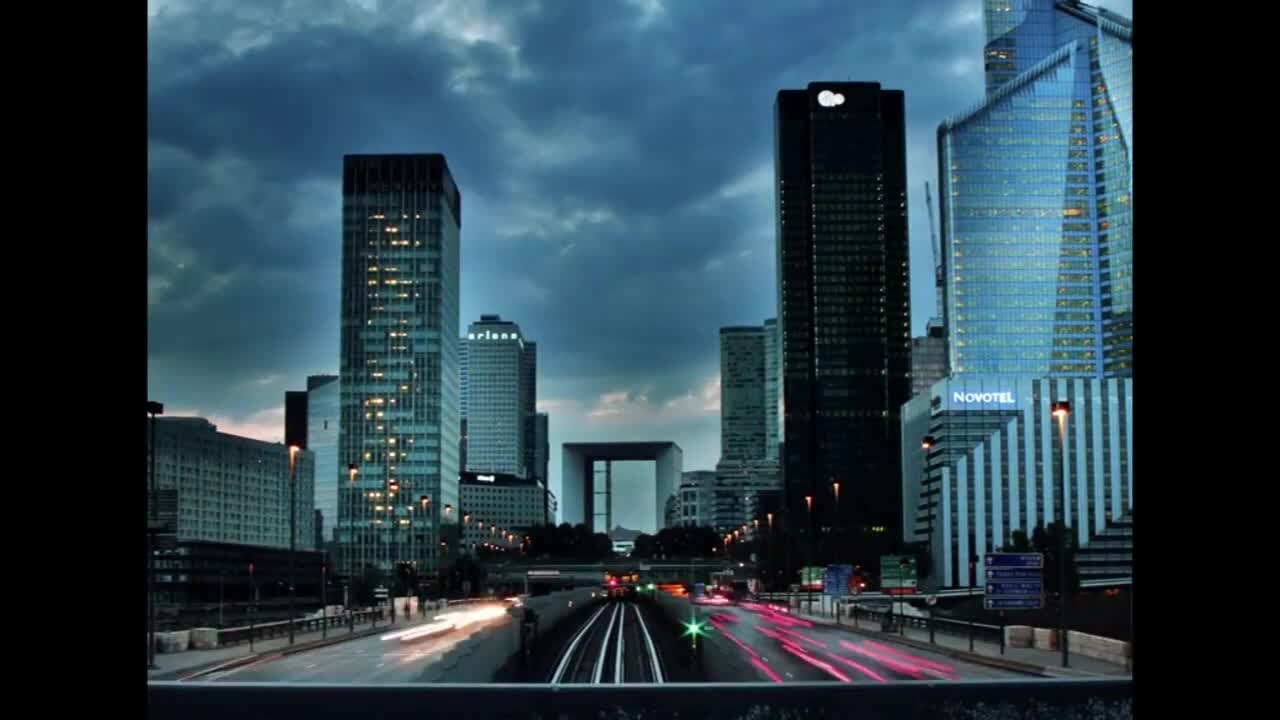
Most tours reach Al Maryah via bridge infrastructure that provides elevated sightlines before the coach descends into boulevard level. That elevation moment is deliberate — riders see the tower cluster as a composition rather than a sequence of individual buildings. Narration typically names the financial free-zone status, the Galleria retail anchor, and the Cleveland Clinic presence, though recording vintage affects specificity. Newer tracks describe architectural firms and façade materials; older tracks rely on generic skyline language.
Bridge approaches also establish water in frame. Channel edges on Al Maryah are narrower than open Gulf views on the corniche, but reflections at dusk double the visual density. Operators running evening loops time this segment for golden hour when possible; morning loops trade drama for softer light on east-facing façades. Seat orientation follows bridge geometry — photographers should note which side faces the tower cluster on inbound versus outbound legs.
Galleria and promenade from the kerb
Some routes pause near the Galleria or promenade frontage; others treat Al Maryah as through-transit only. Stop-enabled tours allocate fifteen to thirty minutes — enough for exterior photography, a short promenade walk, and coffee on shaded terraces in cooler months, not enough for serious retail exploration unless you plan to rejoin a later loop. The promenade itself is wide, cooled by channel breeze, and visually coherent — a strong stepping-off point for riders who want to feel the district at walking pace.
From the upper deck at a standstill, the Galleria façade reads as horizontal layers rather than vertical thrust — a contrast with downtown towers elsewhere on the loop. Riders interested in architecture should note how the district balances pedestrian scale at ground level with cluster density above. Narration rarely dwells on this urban-design tension; the window teaches it more clearly than audio.
Day versus evening character
Al Maryah on a morning loop feels corporate and precise — glass reflects pale sky, promenades are quiet, and the district reads as a working financial centre. Evening loops transform the same geometry into spectacle: tower lighting programmes activate, restaurant terraces fill, and channel water holds amber reflections. Photographers prioritising Al Maryah should choose evening departures when operators offer them; families with young children may prefer morning calm and shorter dwell at exposed promenades.
- Morning routes — softer light on east-facing towers; quieter promenades; better for riders sensitive to heat and crowds.
- Evening routes — strongest skyline photography; heavier traffic near bridge exits; allow extra loop time for congestion.
- Through-transit only — sufficient for orientation if you plan an independent evening return on foot or by taxi.
Al Maryah pairs naturally with Reem Island segments on extended loops — the two districts share channel geography but differ in density and promenade character. Riding both in one loop clarifies how Abu Dhabi's island development varies block by block.
Comfort and seasonal rhythm
Open upper decks on Al Maryah bridge approaches expose riders to wind that can feel welcome in summer and sharp in winter evenings. A light layer helps on dusk loops when temperature drops quickly after sunset. Summer midday stops on the promenade accumulate heat despite channel proximity; shade structures exist but do not fully offset direct sun between buildings. Ramadan evenings alter terrace activity patterns without necessarily changing routing.
Roadworks and event closures occasionally reroute bridge access — financial-district conferences and waterfront events can delay bridge entry. Operators usually publish adjustments on their websites; assume schedules are approximate during major event weeks.
Al Maryah in the capital tour narrative
On a full capital loop, Al Maryah answers the question of how Abu Dhabi presents itself to international business — not only as a leisure corniche city but as a financial centre with its own island identity. Placed after heritage or mangrove segments, the district provides architectural escalation. Placed before corniche return legs, it reframes the Gulf waterfront as one chapter in a multi-register urban story.
The island is not a substitute for museum visits on Saadiyat or mosque courtyard walks — it is a district best understood as skyline and promenade theatre. Bus tours deliver that theatre efficiently. Travelers who step off and return independently for an evening meal on the promenade often report that the coach preview made the later visit feel orientated rather than overwhelming. That is the measure of a successful Al Maryah segment: you know where you are when you come back on your own.